The term “prime” in football is often used when discussing a player’s peak performance period. It refers not only to the time when a player performs at their very best, but also to the stage where they establish their status and legacy in the sport. This article explains what “prime” means in football, how to recognize it, and the key factors that influence a player’s peak years Xoilac link .
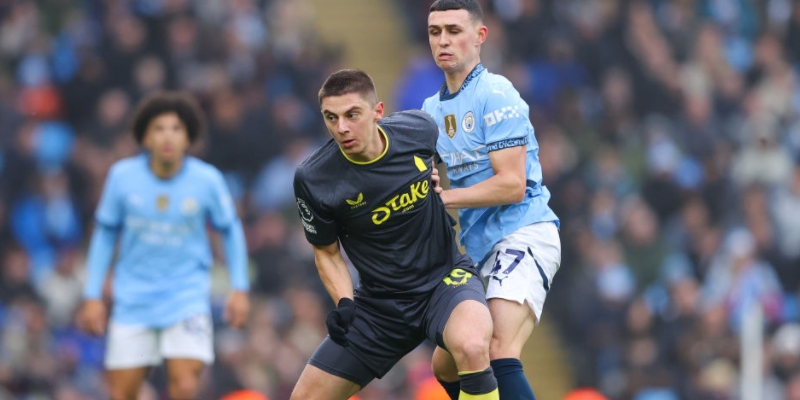
Understanding the Meaning of “Prime” in Football
In football, a player’s “prime” is the period when they reach the highest level of performance in their career. During this stage, they combine physical strength, technical ability, experience, and mental stability to perform consistently at an elite level.
Unlike short-term good form, a player’s prime usually lasts for several seasons. It is marked by consistent performances rather than temporary success.
Typically, footballers enter their prime between the ages of 26 and 30. Statistics from major leagues such as the Premier League and La Liga show that many players record their highest goal contributions during this age range. However, this is not a strict rule. Some players peak earlier, while others maintain top form well into their thirties depending on their position and physical condition.
An important point is the difference between “good form” and being “in your prime.” A player may have one excellent season without truly being in their prime. Prime years usually require at least two to four consecutive seasons of elite-level performance.
Key Factors That Define a Player’s Prime

Physical Fitness and Endurance
Fitness is one of the most important foundations of a player’s prime. Footballers at their peak can maintain high intensity for a full 90 minutes and recover quickly between matches.
Players who avoid serious injuries often enjoy longer prime periods, sometimes lasting five to seven years.
Technical Ability and Tactical Intelligence
A player’s prime is also characterized by complete technical development and better understanding of the game.
For example, central midfielders often peak later than strikers because tactical awareness and game reading improve with experience over time.
Mental Strength and Experience
Strong mentality helps players remain consistent in high-pressure matches. Experienced players usually make better decisions and handle important moments more effectively.
This is why many footballers deliver their best performances in major tournaments during their prime years.
Real Examples of Prime in Modern Football
Looking at famous players makes it easier to understand the concept of prime in football.
Some world-class strikers have scored 40–50 goals per season for several consecutive years. This level of consistency is a clear sign of a player reaching their peak.
Statistically, a player is often considered to be in their prime when their performance level improves significantly compared to earlier years and remains stable for multiple seasons.

Does Prime Differ by Position?
Yes, the timing of a player’s prime often depends on their position.
Strikers
Strikers usually peak earlier, around 24–28 years old, because they rely heavily on speed, explosiveness, and finishing ability.
Midfielders
Midfielders often reach their best level between 27–31 years old since they need both physical ability and tactical maturity.
Defenders and Goalkeepers
Defenders and goalkeepers can maintain their prime longer, sometimes until 33–35 years old, because experience and positional awareness become more important than raw athleticism.

Conclusion
In football, tỷ lệ kèo is much more than simply playing well for a short period. It represents the stage when a player combines physical fitness, technical quality, experience, and mental strength to perform at the highest level consistently. Every position has different peak years, but the idea remains the same: a player’s prime is the defining period of their career.